


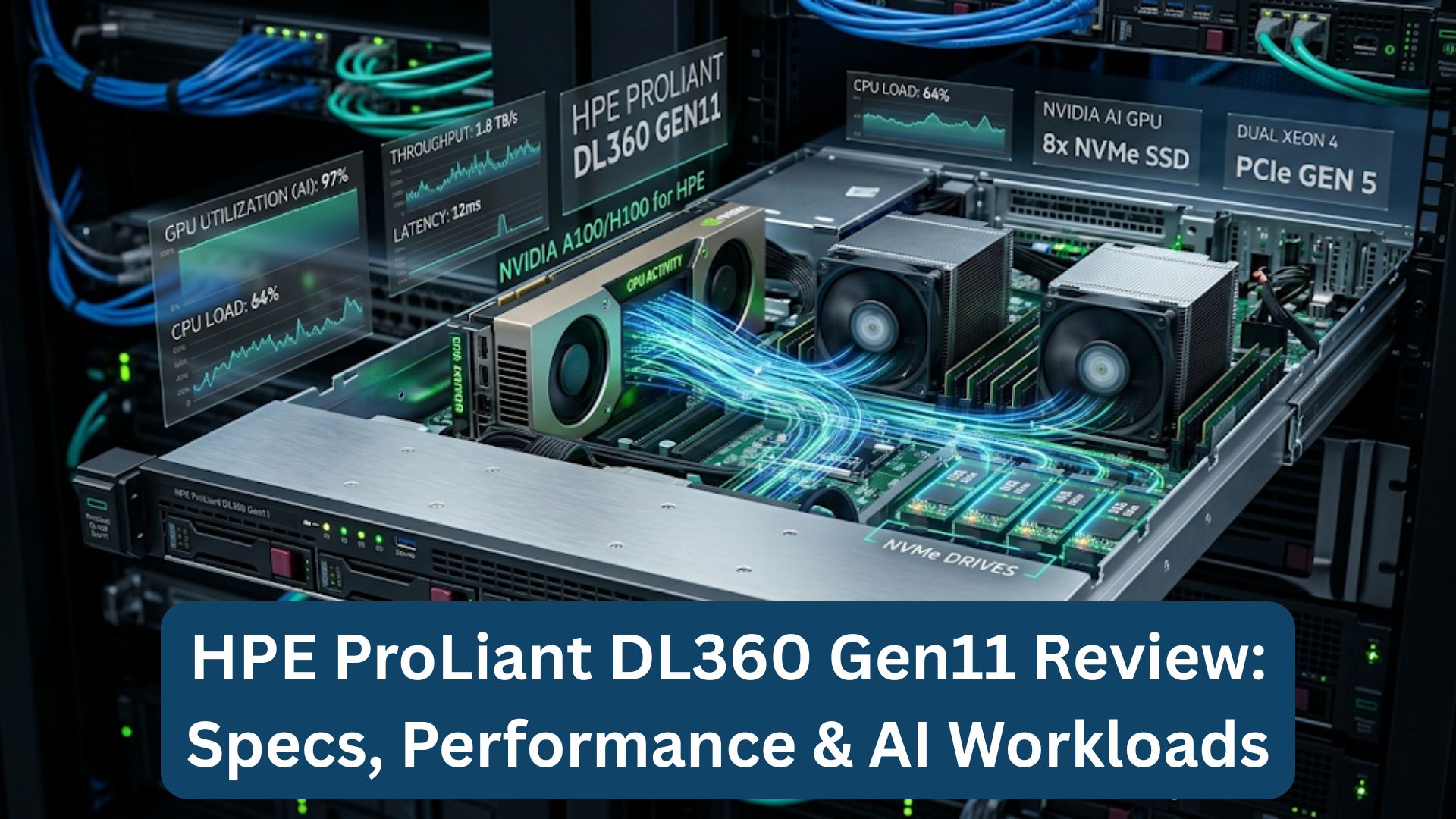
Modern enterprises are rapidly shifting toward dense and scalable infrastructure to support virtualization, analytics, and hybrid cloud environments. As rack space becomes more valuable, organizations need systems that deliver maximum performance within a minimal physical footprint.
The HPE 867959-B21 ProLiant DL360 Gen10 stands out as a compact yet powerful 1U server designed specifically for space-constrained environments that require high compute density. Its balance of compute density, flexible configuration, and enterprise-grade security makes it a practical foundation for modern IT environments.
In architectures that also incorporate GPU acceleration, such as AI infrastructure systems, servers like the DL360 Gen10 provide essential backend compute and orchestration capabilities.
Key Takeaways:
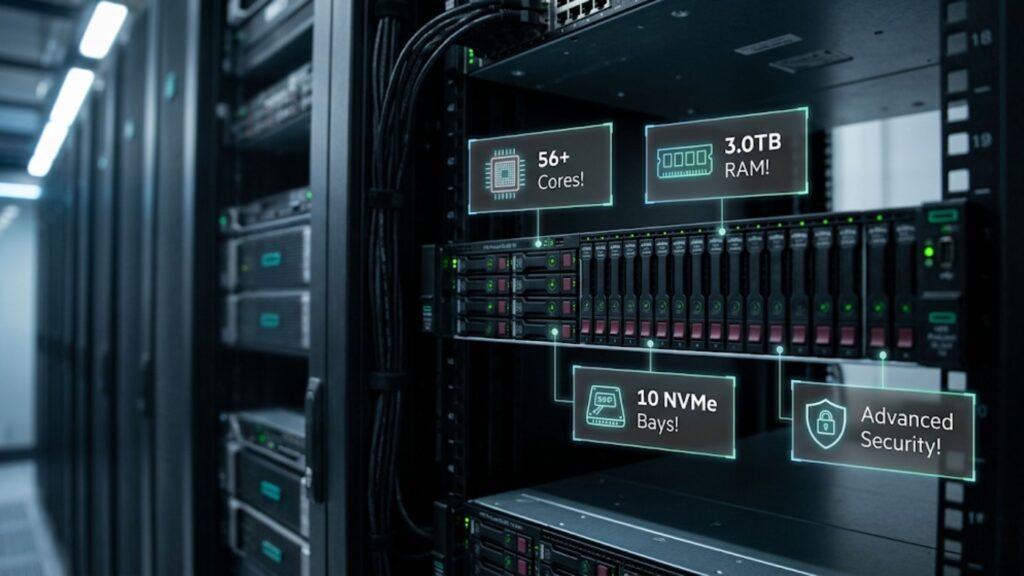
- CTO 1U server chassis enabling customizable compute, memory, storage, and networking for workload-specific deployments
- Supports dual Intel Xeon Scalable CPUs with up to 56 cores for high-density performance
- Up to 3.0 TB DDR4 SmartMemory and support for 10 NVMe drives for data-intensive workloads
- Integrated iLO 5 and OneView enable automated lifecycle management and enterprise-grade security
Overview of HPE 867959-B21 ProLiant DL360 Gen10 Server
What is the DL360 Gen10 CTO Server
The HPE 867959-B21 is a Configure-To-Order (CTO) chassis. It includes the base frame, drive bays, backplane, and power infrastructure, forming the foundation of the system, while allowing customization of processors, memory, storage, and networking.
This approach enables tailored server builds, allowing organizations to align compute, memory, storage, and networking precisely with workload requirements while avoiding unnecessary overhead.
Key Specifications Snapshot
| Component | Specification |
| Form Factor | 1U Rack Server |
| Drive Bays | 8 SFF (hot-swap) |
| CPU Support | Intel Xeon Scalable (Gen 1 & 2) |
| Memory | DDR4 SmartMemory |
| Max Memory | Up to 3.0 TB |
| Expansion | Up to 3 PCIe 3.0 slots |
| Storage Types | SAS, SATA, NVMe |
| Management | HPE iLO 5, OneView |
Target Users and Enterprise Applications
The DL360 Gen10 is ideal for:
- Virtualization clusters
- Hybrid and private cloud
- Database environments
- AI and analytics workloads
- Web hosting and backup
Organizations designing scalable IT infrastructure solutions often deploy this server as a core compute layer.
Architecture and System Design Analysis
1U Rack Design and Density Optimization
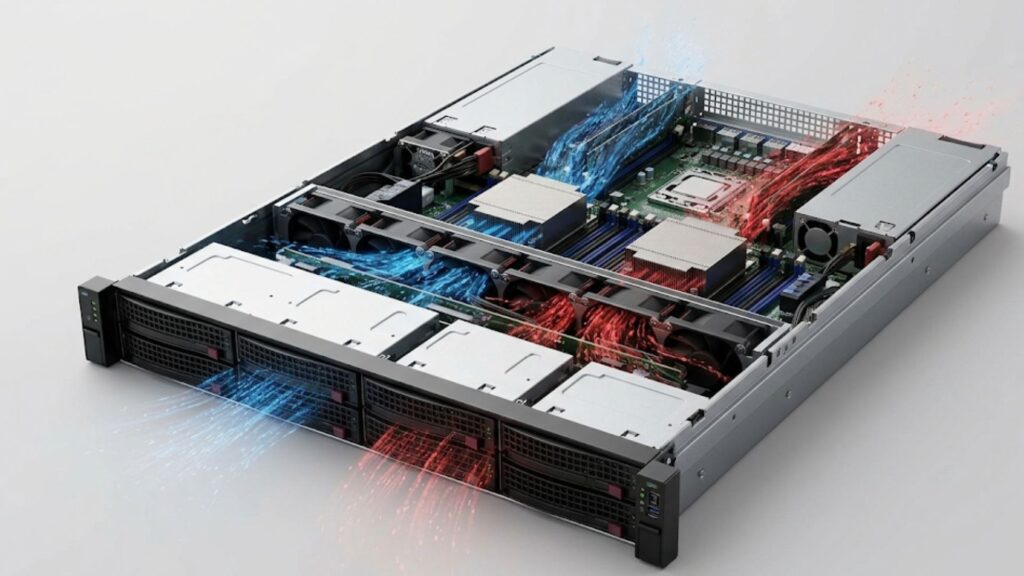
The 1U design allows maximum compute density per rack, making it particularly effective for space-constrained environments where performance must scale without increasing physical footprint. This is critical in high-density data centers where space efficiency directly affects operational cost.
Despite its compact size, the system supports enterprise-grade performance and redundancy.
CTO Chassis Flexibility and Modular Design
The modular CTO design enables organizations to:
- Select CPU configurations
- Scale memory incrementally
- Customize storage types
- Add expansion cards
while remaining fully compatible with HPE memory and expansion modules, ensuring seamless integration across enterprise environments. This flexibility supports evolving workloads without full hardware replacement.
Cooling, Power Efficiency, and Reliability
Efficient airflow and optimized thermal architecture maintain consistent performance under load, ensuring enterprise-grade reliability in continuous and high-demand environments. Redundant power supplies and high-quality components ensure uptime.
Thermal considerations align with broader data center cooling practices used in modern deployments.
Integration into Modern Data Center Infrastructure
The DL360 Gen10 integrates with virtualization platforms, hybrid cloud systems, and enterprise storage environments.
It supports up to 3.0 TB of DDR4 SmartMemory, enabling large-scale data processing and memory-intensive applications.
Performance and Compute Capabilities
Intel Xeon Scalable Processor Support (Up to 56 Cores)
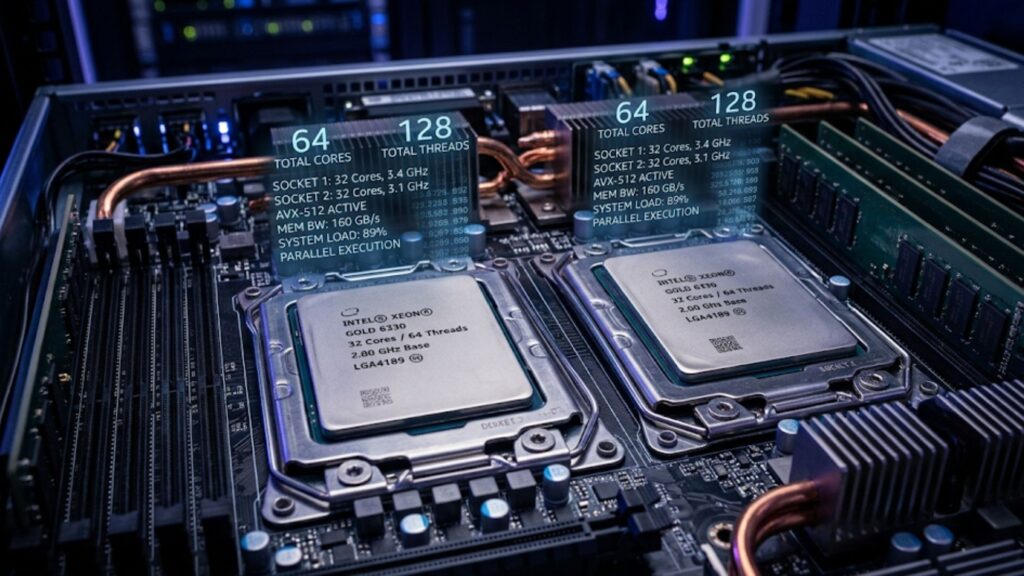
The server supports dual Intel Xeon Scalable processors with up to 28 cores each, delivering 56 total cores.
| CPU Configuration | Details |
| Max CPUs | 2 |
| Max Cores per CPU | 28 |
| Total Max Cores | 56 |
| Processor Type | Intel Xeon Scalable |
This enables high parallel processing and workload consolidation.
Multi-Workload Performance (Virtualization, Databases, HPC)
The DL360 Gen10 handles multiple workloads efficiently:
- Virtual machines and containers
- Database transactions
- HPC simulations
Its architecture ensures consistent performance across diverse environments.
Real-World Performance Efficiency in Dense Environments
In dense deployments, the server maintains stable performance even with mixed workloads. This reduces the need for additional hardware and improves efficiency.
Memory, Storage, and Scalability
DDR4 SmartMemory and Persistent Memory Capabilities
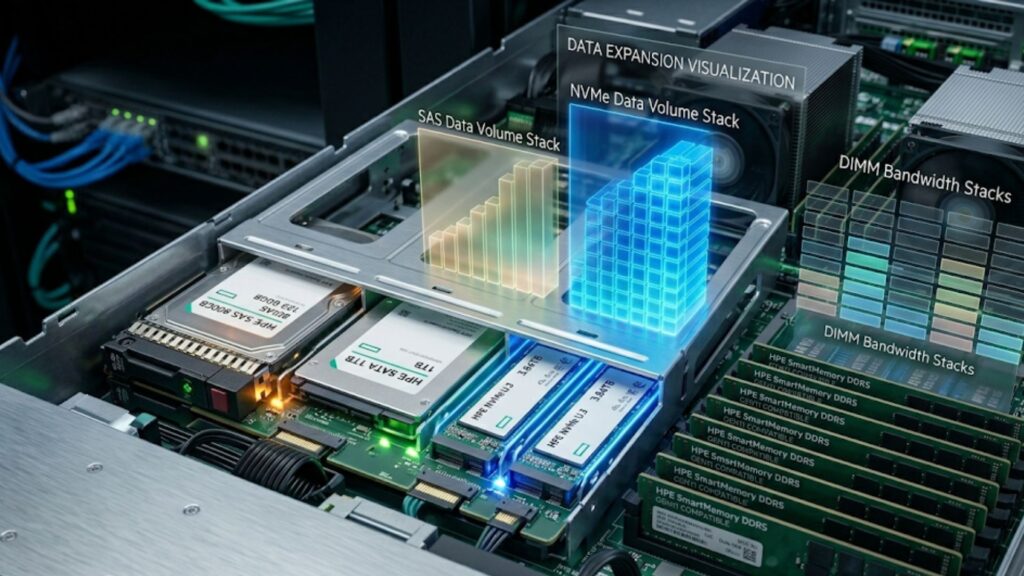
The system uses HPE DDR4 SmartMemory operating at up to 2933 MT/s, delivering improved reliability and consistent performance for demanding workloads. Persistent memory support enhances speed for data-intensive tasks.
8SFF Storage Bays and NVMe Expansion Options
The base configuration includes 8 SFF drive bays. It supports SAS, SATA, and NVMe drives.
Advanced configurations support up to 10 NVMe drives, enabling high-speed storage for performance-critical workloads.
RAID Controllers and Data Handling Efficiency
| Controller Type | Function |
| Smart Array S100i | Embedded SATA RAID |
| Optional Smart Array | Advanced RAID (SAS/NVMe) |
These options allow flexible data protection and performance tuning.
Scaling Storage for Data-Intensive Workloads
Storage can be scaled incrementally, supporting growing datasets and applications. This aligns with modern enterprise storage frameworks.
Expansion, Networking, and Integration
PCIe 3.0 Expansion Capabilities
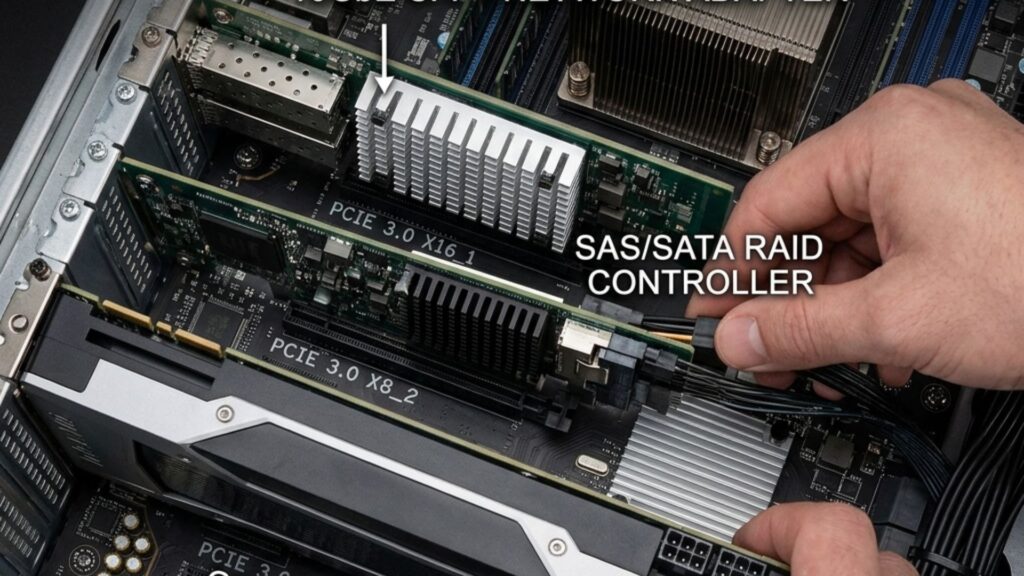
| Expansion Slot | Purpose |
| PCIe 3.0 Slot 1 | Networking |
| PCIe 3.0 Slot 2 | Storage Controller |
| PCIe 3.0 Slot 3 | Accelerator |
These slots enable customization without increasing server size.
Networking Flexibility and Throughput
The DL360 Gen10 supports various networking configurations, allowing organizations to meet bandwidth requirements for different workloads.
Compatibility with Enterprise Infrastructure
The server integrates seamlessly into existing enterprise ecosystems, supporting virtualization platforms and hybrid cloud models.
Management, Automation, and Security
HPE iLO 5 and Remote Management
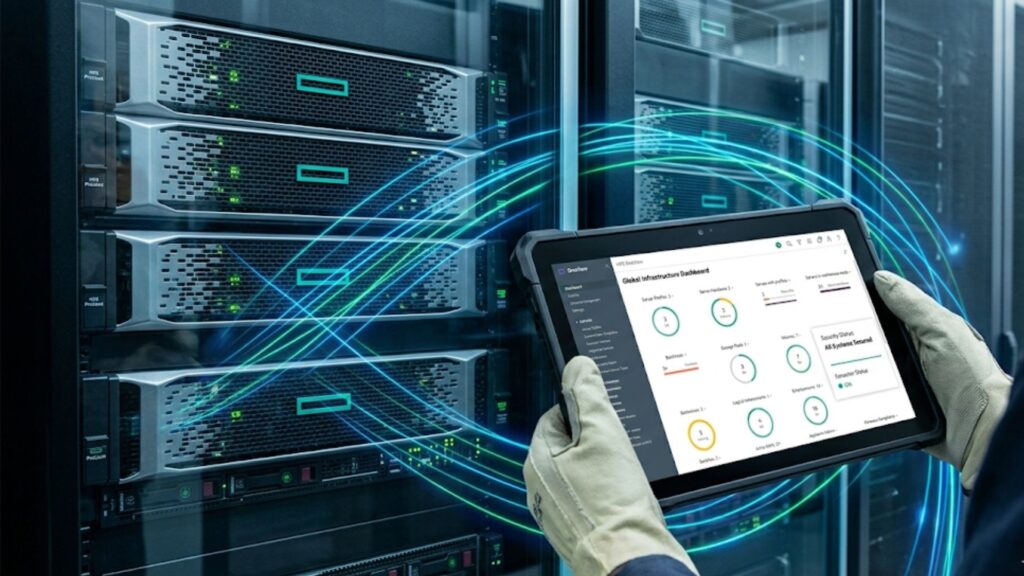
HPE iLO 5 enables remote server management, reducing the need for physical access and improving operational efficiency.
HPE OneView Lifecycle Automation
OneView simplifies deployment and monitoring across multiple servers, making it easier to manage large environments.
Silicon Root of Trust and Firmware Protection
The Silicon Root of Trust ensures firmware integrity, protecting against unauthorized modifications.
Use Cases and Industry Applications
Virtualization and Cloud Infrastructure
The DL360 Gen10 is widely used in virtualization clusters due to its high core density and memory capacity.
Database and Analytics Workloads
Its memory and storage capabilities make it suitable for data-intensive applications.
Edge Computing and High-Density Deployments
The compact design allows deployment in edge environments with limited space.
Backup, Web Services, and Hybrid IT
It supports backup systems, web hosting, and hybrid IT environments efficiently.
Competitor Analysis and Comparison
DL360 Gen10 vs Dell PowerEdge R640
Both offer similar density, but the DL360 Gen10 provides stronger security and management tools.
DL360 Gen10 vs Lenovo ThinkSystem SR630
The SR630 is competitive, but HPE’s ecosystem integration gives DL360 an advantage.
Key Differences in Performance, Density, and Management
| Feature | DL360 Gen10 | Dell R640 | Lenovo SR630 |
| Density | High | High | High |
| Security | Advanced | Moderate | Moderate |
| Management | iLO 5, OneView | iDRAC | XClarity |
DL360 Gen10 vs Nearest HPE Alternative
Comparison with HPE ProLiant DL380 Gen10
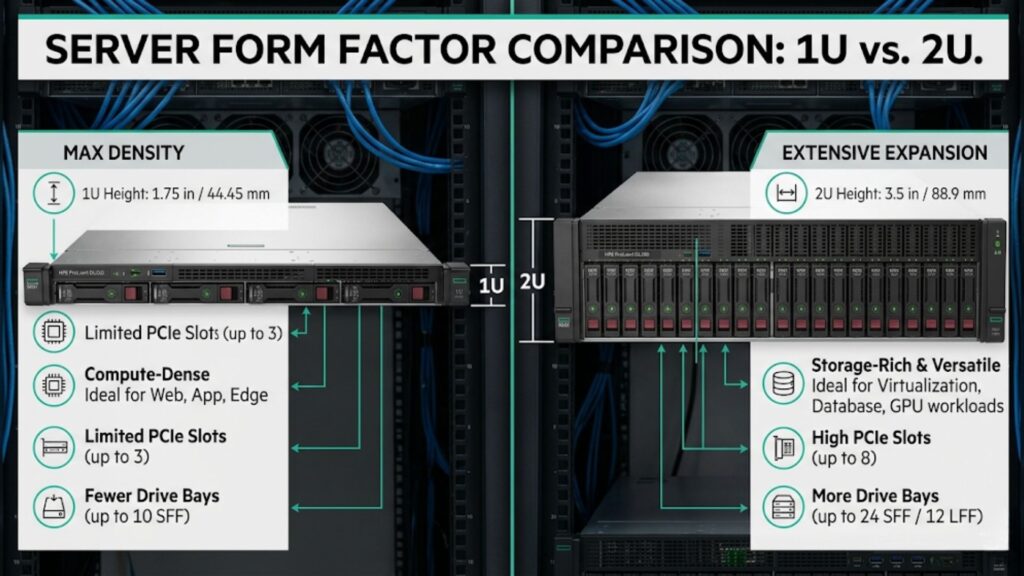
1U vs 2U: Density vs Expandability
| Feature | DL360 Gen10 | DL380 Gen10 |
| Form Factor | 1U | 2U |
| Density | Higher | Lower |
| Expansion | Limited | Extensive |
| Storage | Moderate | High |
Workload-Based Selection Guidance
Choose DL360 for density-focused deployments. Choose DL380 for expansion-heavy workloads.
Pricing, Configuration Strategy, and ROI
CTO Configuration Flexibility and Cost Control
The CTO model allows precise cost control by selecting only required components, with custom configurations typically aligned through consultation based on workload needs.
Balancing Performance vs Budget
Organizations can adjust CPU, memory, and storage to meet budget constraints while maintaining performance.
Long-Term Value and Infrastructure Efficiency
The DL360 Gen10 offers strong ROI through scalability and reduced hardware footprint.
Advantages and Limitations
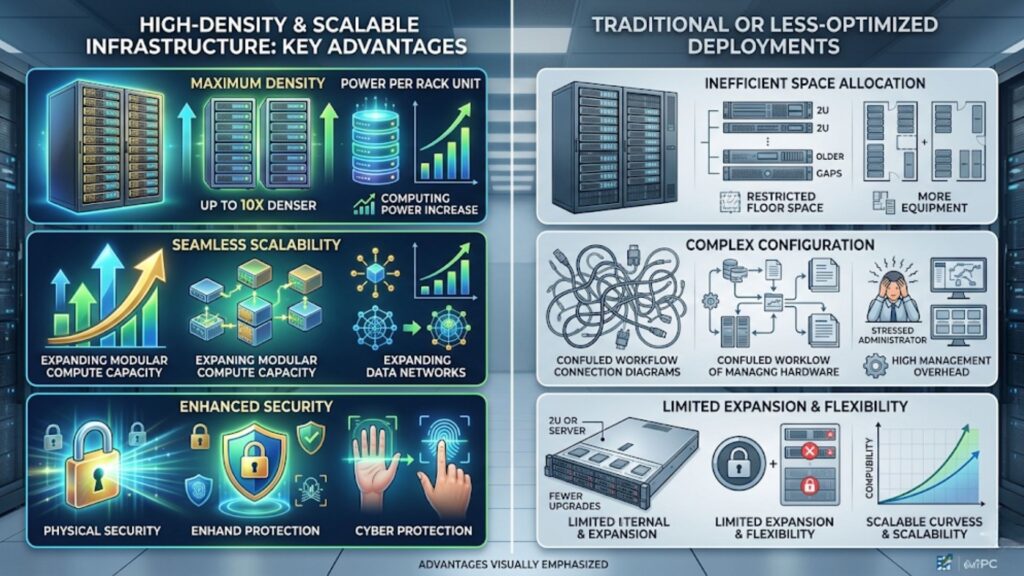
Key Strengths (Density, Scalability, Security)
- High compute density
- Flexible configuration
- Strong security features
- Efficient management
Limitations (Expansion Constraints, Configuration Complexity)
- Limited expansion compared to 2U servers
- Requires careful configuration planning
Future-Proofing and Infrastructure Planning
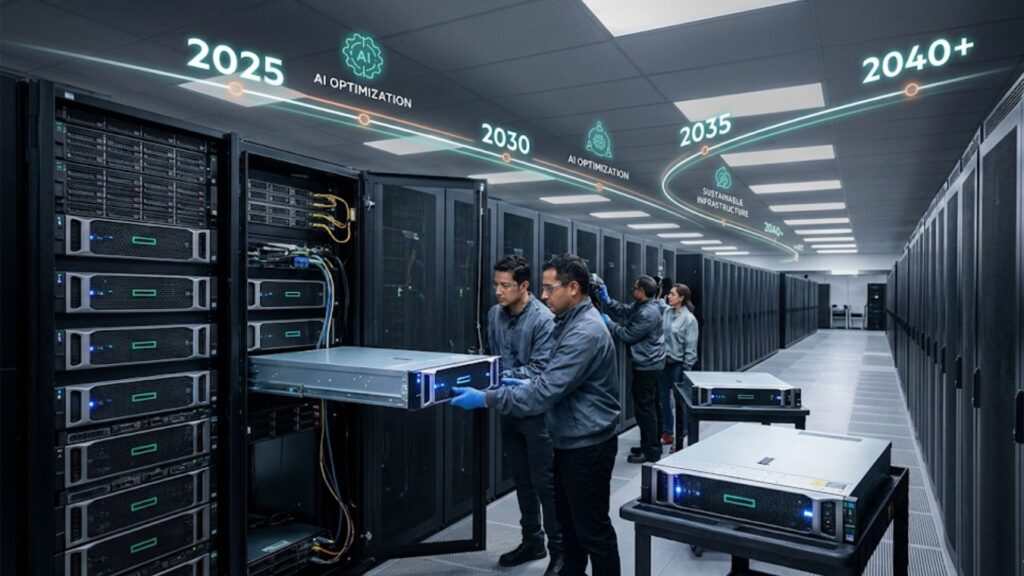
Scaling for Growing Workloads
The server supports incremental upgrades, allowing organizations to scale efficiently as workload demands grow.
Role in Hybrid and Multi-Cloud Environments
It integrates well into hybrid and multi-cloud environments, supporting modern IT strategies.
Need a Scalable Enterprise Server Solution?
Organizations planning high-density infrastructure can benefit from tailored configurations of the HPE DL360 Gen10 designed to match specific workload requirements. Catalyst Data Solutions Inc supports custom server builds, deployment planning, and optimization aligned with virtualization, cloud, and data-intensive workloads.
FAQs
What does the 867959-B21 part number represent?
It is the CTO chassis for the DL360 Gen10, allowing full customization.
How many drives does the DL360 Gen10 support?
It supports 8 SFF drives, with expansion options available.
Is this server suitable for virtualization environments?
Yes, it is optimized for virtualization workloads.
What is the maximum memory capacity?
Up to 3.0 TB of DDR4 SmartMemory.
Does it support NVMe storage?
Yes, including configurations with up to 10 NVMe drives.
How does it compare to DL380 Gen10?
DL360 offers higher density, while DL380 offers more expansion.
What management tools are included?
HPE iLO 5 and HPE OneView.